Spin for SIM™ is built on established principles of adult learning and simulation-based education, while drawing on contemporary approaches that prioritise accessibility, engagement and integration into everyday clinical practice. Four pillars hold the model together.

Psychological safety
An informal, non-judgemental space — often using simple props like a teddy as the patient — where the emphasis is firmly on learning, not performance.

Gamification
A spinning wheel randomly selects each scenario, adding chance, anticipation and shared ownership of the learning.
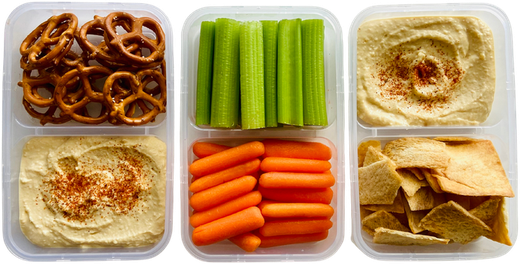
Educational snacking
Learning in small, frequent bursts — typically around 10 minutes — rather than long, scheduled sessions. Snacking, not feasting.

Multidisciplinary & collaborative
Whole teams learn together in their own clinical environment, with facilitators and participants alike meeting scenarios outside their usual expertise.
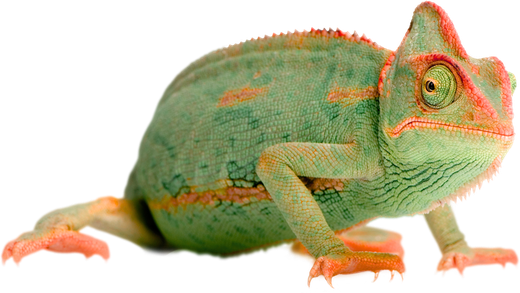
Learning that blends into the working day
Like a chameleon, the learning is embedded in routine clinical work rather than separated out as formal teaching. Short, opportunistic, low-fidelity simulations with an informal, playful feel let people engage without the pressure — and the learning sticks because it happens exactly where the work happens.
Communities of Practice
Learning through shared experience within a group — MDTs learning together in their own environment, strengthening collaboration.
Interprofessional Learning
Professionals learning with, from and about each other — improving understanding of roles and communication.
Adult Learning Theory
Adults learn best when learning is self-directed, relevant and experiential — clinically relevant scenarios, immediately applicable.
Experiential Learning (Kolb)
Learning through a cycle of experience, reflection and application — anchored by a structured debrief after every scenario.
"If people do not feel safe to speak, they cannot learn — and they cannot keep patients safe."